
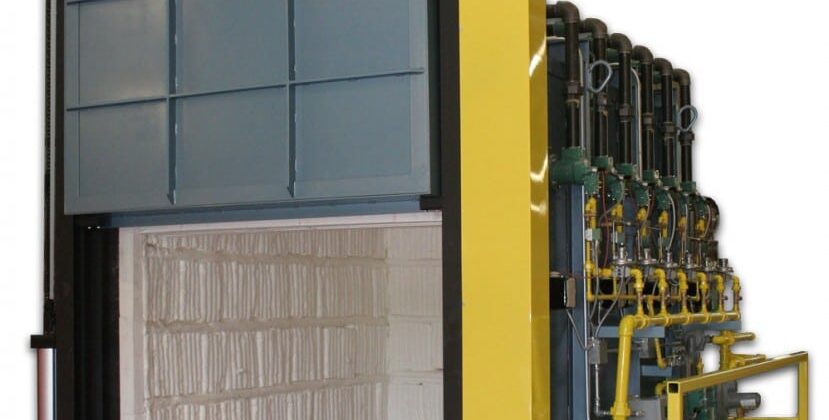
Box vs. Tube Furnaces in Research Labs: How to Pick the Right Tool for Your Method 

Box vs. Tube Furnaces in Research Labs: How to Pick the Right Tool for Your Method 

Choosing the right furnace involves more than just thinking about temperature. You have to carefully match the equipment to your process, materials, and workflow. Lab managers and R&D engineers usually decide between box (chamber) and tube furnaces. Knowing the difference can help you avoid expensive mistakes.  Match the Furnace to Your Application  For common academic and industrial lab processes like ashing, calcination, annealing, and sintering small ceramic samples, box furnaces are usually the first choice. Their chamber design allows for batch processing, so you can treat several samples at once or handle irregular shapes.  Tube furnaces are built for process control and material flow. They heat a tube around…
Read More
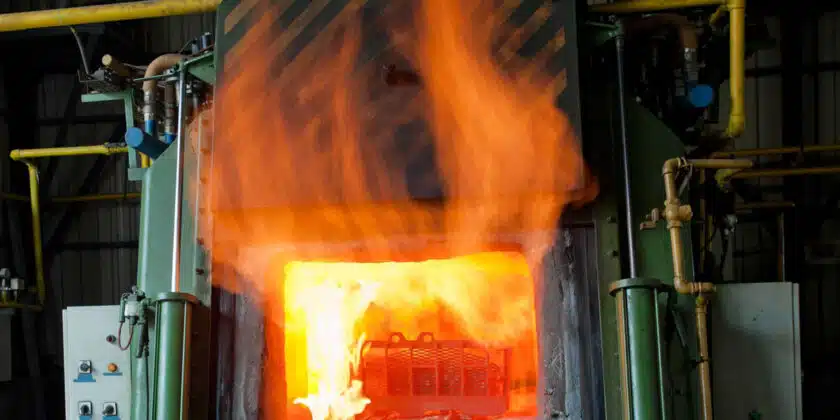
From Thesis to Production: Getting Temperature Uniformity Right in Academic and Research Furnaces

From Thesis to Production: Getting Temperature Uniformity Right in Academic and Research Furnaces

In both academic and industrial R&D labs, furnace performance plays a key role in getting reliable experimental results. Whether researchers are studying advanced materials, developing new coatings, or testing heat-treatment processes, maintaining uniform temperatures and a robust control strategy are essential for high-quality, repeatable data and trustworthy findings.  Why Temperature Uniformity Matters  Temperature uniformity means keeping the temperature steady throughout the furnace’s usable heating area. Many university and R&D labs ask for uniformity within ±8°C across the working zone. In production settings, like aerospace or automotive heat treating, even tighter uniformity is needed, depending on the job.  Even small temperature changes in academic labs can impact reaction speeds, material…
Read More